
Reviewed · TAHITI
Découvrez le Mana durant la traversée de Tahiti en 4×4 Safari
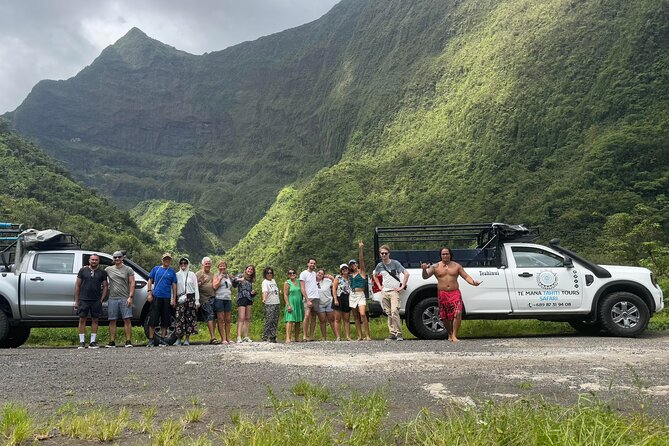
Tahiti’s best scenery is not along the coastal highway. It is inside the island, where a rough 4×4 road follows rivers through steep valleys, waterfalls, old sacred places, and thick green forest. This tour takes you into that quieter world and aims for Vaihiria Lake, Tahiti’s largest natural lake.
I like two things right away. First, the local guides, especially owner-operator Rainui and guide Hotu, add real cultural insight rather than simply pointing at pretty views. Second, the day includes a swim in a natural river or pool, plus fresh seasonal fruit and a cold drink. The tradeoff is plain: the road is extremely bumpy, and this is not a soft-seat sightseeing trip.
Key points to know before you book
- The only practical way into Tahiti’s interior: The 4×4 route reaches places you cannot see from the coastal road.
- A small group of up to eight people: That makes it easier to hear the guide and ask questions.
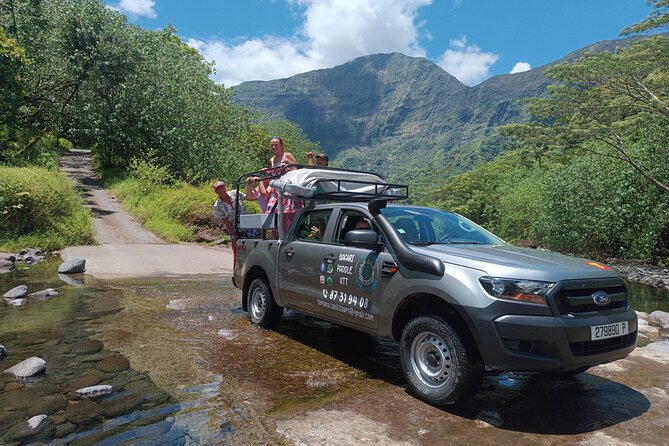
- A real off-road ride: Expect potholes, jolts, and stretches where standing and holding the truck’s rails may be more comfortable than sitting.
- Culture is part of the day: You’ll hear about Maohi traditions, plants, sacred places, ancestors, and the meaning of Mana.
- Swimming is included: Bring a swimsuit, towel, and a full change of clothes.
- Lunch is your responsibility: You can bring food or stop at a shop or snack counter before heading farther into the mountains.
Why Tahiti’s interior is worth a full day

Tahiti is easy to picture as a ring of coastal roads, beaches, hotels, and towns. That view misses the island’s center. The middle of Tahiti Nui rises into steep mountains cut by rivers and narrow valleys. Much of it is not reachable in a normal rental car.
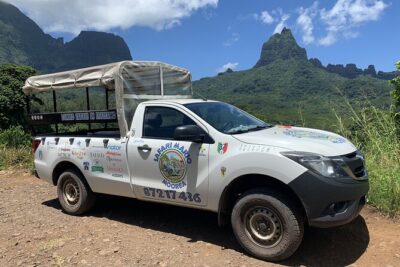
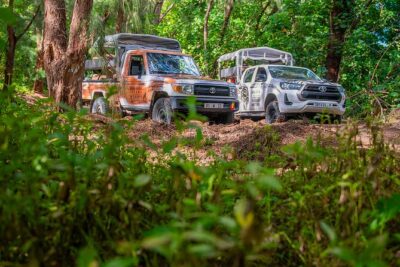
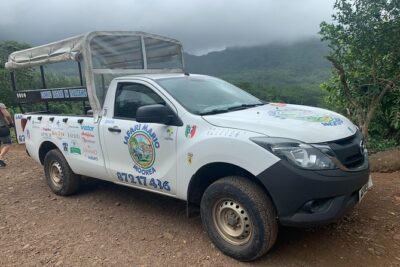
This excursion takes the long way through that interior. You ride in a Safari 4×4 fitted with a microphone and loudspeakers, which matters when the engine, river crossings, and rough road compete with the guide’s voice. The truck lets you see more than a closed vehicle would, though you should be ready for sun, rain, and spray.
I especially like that the guide explains useful plants along the way. This turns the forest from a wall of green into a place with purpose. You learn how local people used plants, how old ways of life connected to the mountains, and why certain places carry spiritual weight.
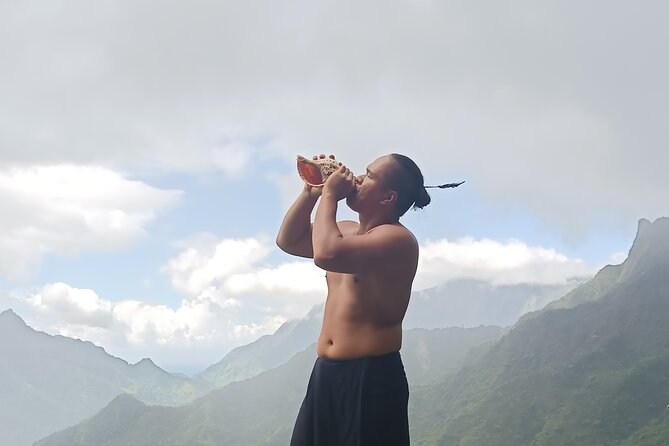
The central idea is Mana, often described here as the energy or force connected with people, ancestors, and the land. You do not need to share the same beliefs to appreciate the way the guide frames the island. It gives the scenery a human meaning instead of treating the valley as a collection of photo stops.
Other days on the back roads in Tahiti:
- Crossing Island of Tahiti 4×4 Mountain, Waterfall, River, Basins
★ 4.5 · 532 reviews - Crossing Over Tahiti Island Safari 4×4
★ 4.5 · 307 reviews - 4×4 Safari HEREAKIMANU Tour in the Heart of Tahiti
★ 5.0 · 61 reviews
A morning pickup and a small Safari 4×4
The advertised start time is 8:00 a.m., while the exact pickup time is confirmed the day before. Pickup is offered, and the activity returns to the meeting point at the end. Since the operator may collect people from more than one location, your day can run roughly seven to eight hours, with some groups out from around 7:20 a.m. until 4:00 p.m.
The vehicle carries a maximum of eight people. That is a useful limit on a long day. You are not likely to feel lost in a large coach group, and the small size makes it easier for Rainui or Hotu to switch between English and French when needed.
You may sit in the cab or ride in the back. Some people prefer standing in the rear because it can be easier than sitting through every jolt, but standing requires a firm grip on the metal rails. If you have a weak back, balance problems, or dislike rough motion, take this warning seriously.
The ride is not merely a short bump on the way to the main attraction. The mountain road is rough for extended periods, with holes and potholes along much of the route. A folded towel makes a sensible seat cushion. Wear clothes that can handle mud or rain, and keep your camera secured.
Through the Papenoo Valley and toward Vaihiria Lake
The route follows the island’s interior road through Tahiti’s central valleys. The guide points out rivers, plants, animals, rock formations, and waterfalls as the truck climbs and moves deeper into the mountains.
The trip’s goal is Vaihiria Lake, the largest natural lake on Tahiti. The route offers a rare look at the island away from its developed coast, but the exact progress depends on conditions. Heavy rain can swell the rivers quickly. If the water becomes unsafe, the guide may turn around rather than attempt a crossing.
That is an important part of the experience. You are entering a wet mountain environment, not riding on a fixed city route. A full crossing is the plan, but weather can change the day. One group had to turn back after about five hours because the river became too dangerous, while still visiting other sites before returning. If reaching the lake is essential to your plans, ask the operator how current conditions may affect the route.
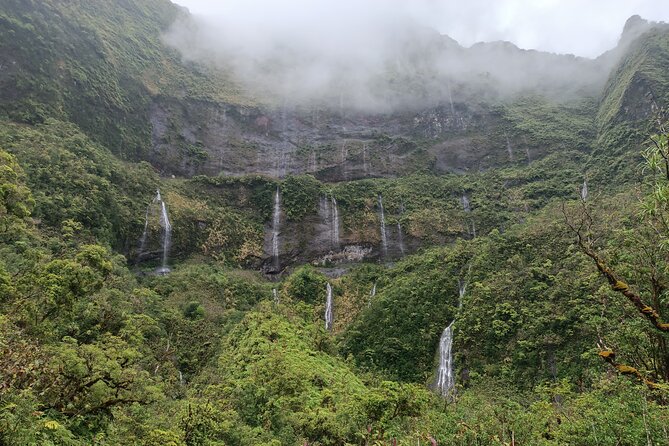
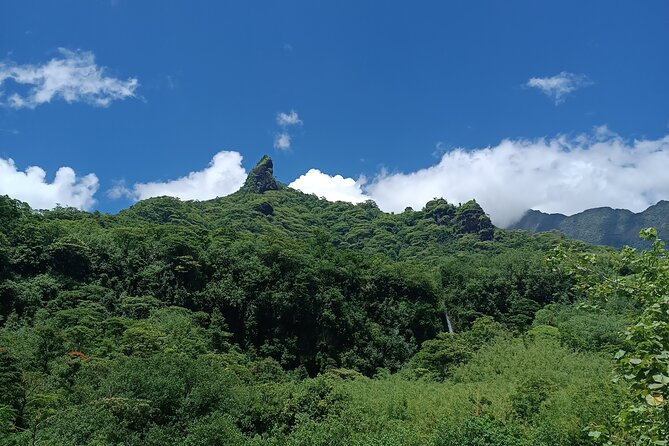
The scenery makes the rough ride worthwhile for the right person. Expect jagged mountain walls, thick vegetation, exposed rock, rushing water, and sudden views along the road. The comparisons to a film set are understandable, but the real appeal is less fantasy and more the feeling of entering a part of Tahiti that ordinary sightseeing does not reach.
Waterfalls, sacred places, and useful plants
Several stops break up the drive. You may pause beside waterfalls, at viewpoints, near rivers, and at cultural or sacred places. These are not timed photo stops where you jump out, take one picture, and hurry back. The guide takes time to explain what you are seeing.
The cultural stops are one of the strongest reasons to choose this trip over a simple mountain drive. Rainui grew up in the mountains and brings personal familiarity with the terrain, local stories, and Tahitian customs. Hotu has also led the route and is comfortable guiding groups that speak more than one language.
You may hear about Maohi people, Polynesian connections, old ways of living, and the role of plants in daily life. The stories give shape to the forest. A waterfall becomes more than a pretty backdrop, and a sacred site becomes a place to treat with care.
The amount of walking is limited. This is primarily a vehicle tour with short stops rather than a hiking day. That suits you if you want mountain scenery without committing to a long trek. It also means you should not book it expecting a series of strenuous trails.
Same island, a completely different day:
- Private Island Tour ( 5 HOURS)
★ 5.0 · 216 reviews - Half-Day Snorkeling Tour in Tahiti
★ 4.5 · 136 reviews - Respectful whale excursion to Tahiti in 4h30
★ 4.5 · 123 reviews - Discovery of Tahiti Nui Island
★ 4.0 · 115 reviews
The natural swim and the lunch break
A swim is planned at a natural water point in the mountains. Depending on the route and conditions, this may be a river pool, a waterfall area, or another cold freshwater spot. The water is described as refreshing, especially after the bumpy ride and warm weather.
Bring a swimsuit, towel, and dry clothes. A waterproof bag is useful for keeping phones and cameras safe, though the supplied information does not promise one. Flip-flops, insect repellent, sunscreen, sunglasses, and a hat are also sensible items for the day.
Lunch is not included. You can bring your own meal, or the group can stop at a store or snack place to buy sandwiches, salads, or another main meal before going farther into the valley. Plan this in advance. Once you are deep in the mountains, you should not expect a choice of restaurants.
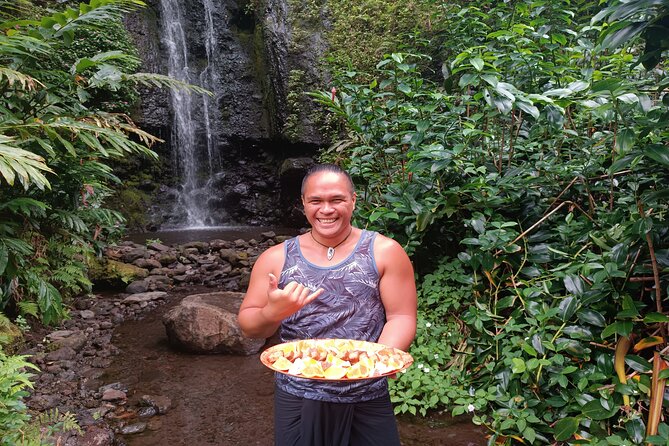
The guide may provide seasonal fruit and a cold drink later in the trip. Fresh mangoes, papaya, coconut, and coconut bread have been part of some days, along with a picnic-style break. This is a pleasant extra, but it does not replace lunch, so pack enough food for yourself.
The swim and picnic are often the most relaxed part of the day. You can cool off, eat, and take in the forest without the engine running. Just remember that rain can arrive quickly, and the tour operates in both sunny and rainy conditions when it is safe to do so.
Rain, rivers, and the limits of the route
Tahiti’s interior is wet for a reason. Rain feeds the rivers and keeps the forest so lush, but it also controls the tour. The operator may run the trip in rainy weather, yet a swollen river can make the road impassable.
This is not a failure of the experience. A careful guide should refuse a dangerous crossing. Still, you should understand the difference between a scenic full-day crossing and a shortened mountain outing. If conditions force a turnaround, you may see fewer sites or miss Vaihiria Lake.
The cancellation terms say you can cancel up to 24 hours before the start for a full refund. If the operator cancels because of poor weather or because the minimum number of people is not reached, you are offered another date or a full refund. Cancellations or changes inside 24 hours are not refunded.
For a weather-sensitive activity, I would confirm the forecast and ask how the operator handles a partial route before departure. That small conversation can prevent disappointment.
What the $140.44 price really covers
At $140.44 per person, the tour costs more than a simple coastal bus ride, but the comparison is not quite fair. The price includes private transport in a capable 4×4, a certified guide, pickup, the interior route, cultural interpretation, the swim stop, and several scenic pauses.
You are paying to reach areas that require both the vehicle and someone who knows the mountain road. A rental car would not provide the same access, and an ordinary compact car would not be suitable for the roughest sections. You also avoid the responsibility of navigating unfamiliar potholes, rivers, and changing weather.
The value is strongest if you want a full day focused on nature and local culture. It is weaker if you mainly want easy views from a smooth road, a guaranteed lake visit, or an included meal. Group discounts may be available, so check the final price if you are booking for several people.
A maximum group size of eight helps the price feel more reasonable. You get a personal guide rather than a large bus presentation, and the operator can explain things in English and French as needed.
Who will enjoy this, and who should skip it
I would choose this tour if you want Tahiti beyond beaches and coastal towns. It suits you if you enjoy waterfalls, plants, mountain roads, local stories, natural swimming, and a day with changing conditions.
It is also a good fit for a short Tahiti stay. If you have only two days before moving on to another island, this packs much of the island’s interior into one outing. You see places that would be difficult to reach alone.
Families can enjoy it, and minors under 18 must be accompanied by a parent, legal guardian, or another adult. The activity is not recommended for people over 90, though the bigger concern for most people is physical comfort rather than age alone.
Skip it if you dislike rain, insects, natural toilets, or rough roads. You should also be comfortable with Polynesian humor and a relaxed outdoor day. The operator makes clear that this is not for anyone who expects polished facilities at every stop.
Bring at least 1.5 liters of water per person. Wear sturdy clothing and pack a rain jacket or poncho, towel, swimwear, a change of clothes, sun protection, insect repellent, and a bag for wet items. Go to the bathroom before departure, since facilities are limited and a natural toilet may be the only option.
The guide makes the difference
The route is impressive, but the guide shapes the day. Rainui is both owner and guide, and he brings humor, music, singing, personal stories, and a strong connection to Tahiti’s mountains. He is also used to managing mixed English and French groups.
That bilingual skill matters. Explanations may take longer when they are given twice, but the group can still share the same stories and jokes. The best days seem to have a friendly, social feel rather than a rigid schedule.
The operator’s replies to unhappy customers can be blunt, so I would keep communication clear and practical. Confirm your pickup, ask about river conditions, and make sure you understand the lunch plan. The actual guiding experience described in the supplied material is warm and engaging, but good expectations help keep the day comfortable for everyone.
Should you book the Mana crossing?
Book it if you want the wild heart of Tahiti, not a polished resort excursion. The strongest parts are the mountain scenery, access to the interior, the river swim, the fruit break, and the cultural stories shared by a local guide.
Do not book it if you need a smooth ride, guaranteed access to every point, or standard facilities throughout the day. The road can be punishing, weather can shorten the route, and lunch is not included.
For an adventurous visitor with a reasonable back, an open attitude, and a taste for local culture, this is a strong use of one day on Tahiti. Pack water, lunch, a towel, and patience. The island’s Mana is best approached on its own terms.
FAQ
How long does the Tahiti 4×4 tour last?
The planned duration is about seven to eight hours. The start time is listed as 8:00 a.m., and the pickup time is confirmed one day before the tour.
Is lunch included?
No. You can bring your own lunch, or stop at a store or snack place to buy food before continuing into the mountains. Seasonal fruit and a cold drink are offered later in the tour.
Can I swim during the tour?
Yes. A swim is planned at a natural river, pool, waterfall area, or cultural water point, depending on the route and conditions. Bring swimwear, a towel, and dry clothes.
How rough is the 4×4 ride?
The road is very bumpy, with holes and potholes along the route. A folded towel can make the ride more comfortable. The tour is not recommended if you have a weak back or dislike rough travel.
What happens if bad weather makes the route unsafe?
The tour may operate in rainy weather, but the guide can turn around if rivers become too dangerous. If the entire activity is canceled because of poor weather, you are offered another date or a full refund.
What should I bring?
Bring at least 1.5 liters of water per person, a towel, a change of clothes, swimwear, a bag, sun protection, insect repellent, and rain gear such as a poncho or rain suit. You may also bring a phone, camera, GoPro, or drone.
Just added around Tahiti
- Sea Scooter Snorkel Tour – Lagoon Discovery : Wrecks, Coral Gardens and Tropical Fishies★ 5.0 · 37 reviews
- Shared 4.5h Circle Island Tour of Tahiti Nui by Lydia★ 5.0 · 42 reviews
- Whale watching on the preserved and quiet coast of Paea (Pk26)★ 5.0 · 40 reviews
- Ferry Transfer between Papeete, Tahiti and Moorea★ 4.0 · 31 reviews
- DEEP SEA FISHING 1/2 day (private group)★ 4.5 · 18 reviews
- Private Tours of Tahiti by Lydia. Full or Half Day★ 5.0 · 46 reviews
- Tahiti island: 4 hours Snorkeling Tour★ 4.7 · 47 reviews
- Papeete Food & City Tour★ 5.0 · 59 reviews
ATV & 4WD Safaris, compared.
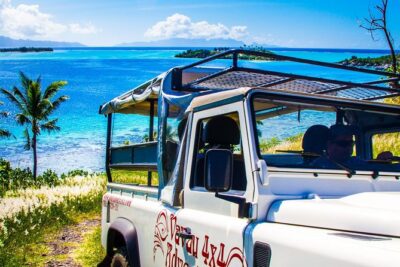
Moorea 4WD Tour Inc. Belvedere, Pineapple Farm, Magic Mountain…
Read our review →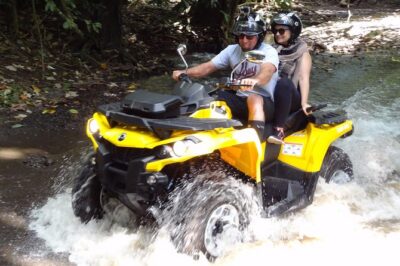
Grand Tour Quad Excursion in Moorea (Single or Two-Seater)
Read our review →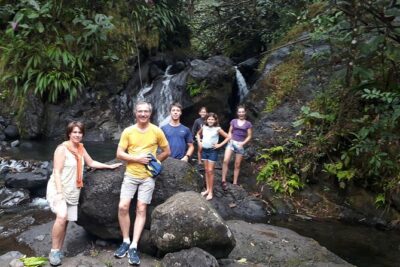
Crossing Island of Tahiti 4×4 Mountain, Waterfall, River, Basins
Read our review →

Moorea Cruise Ships: 4×4, Belvedere, Pineapple, & Magic Mountain
Read our review →Browse the lists this tour appears in