
Reviewed · VITI LEVU
Vavavi – Fijian Cooking & Cultural Experience
Fiji’s best food lesson may happen beside a lovo, the earth oven that turns a family meal into a shared event. At Vavavi, you help prepare food, visit a local market, work with coconut, try weaving and kava, then eat what you helped make.
I like the hands-on cooking, since you are not simply watching a chef perform. I also like the small group limit of 12, which gives the family team time to answer questions and keep the day personal.
The main consideration is time. At about six hours, this is a full morning and afternoon activity, and the meeting point is in Nadi. Pickup is offered in the Nadi and Denarau area, but transfers from farther away are not included.
Key points to know before booking
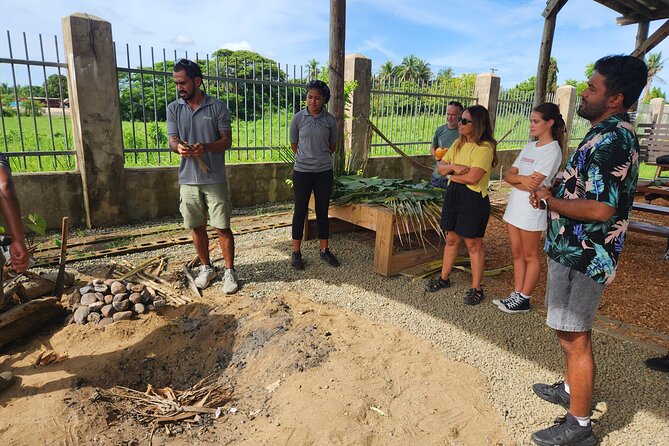
- A lovo is the centerpiece: Watch the earth oven being set up and prepare food that will cook inside it.
- At least four Fijian foods: Help make dishes such as palusami and eggplant tavu with fresh local ingredients.
- Market visit included: See where local residents buy produce for everyday cooking.
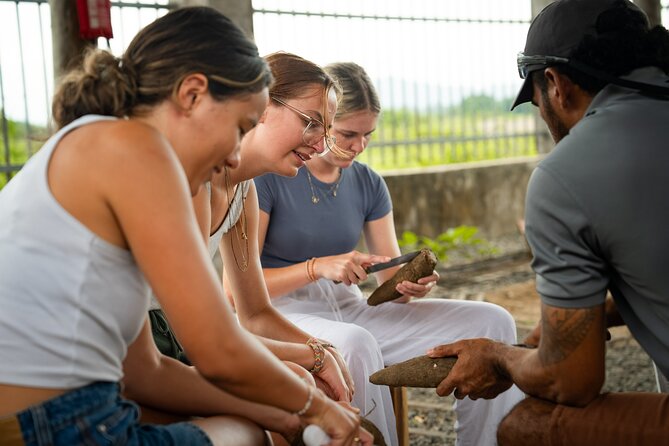
- Cultural activities go beyond food: Try coconut scraping, weaving, and a kava tasting.
- Small, family-run setting: The group is capped at 12, with hosts including Sam, Rocky, Joy, and John.
- Lunch and drinks are covered: Coffee, tea, bottled water, and lunch are included, with dietary needs accommodated.
Why the lovo makes this more than a cooking class
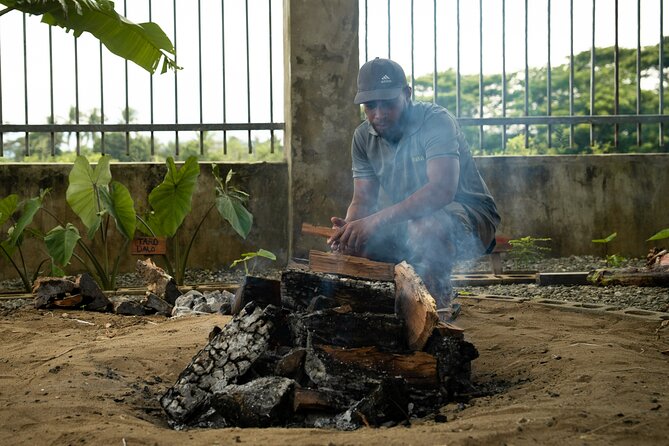
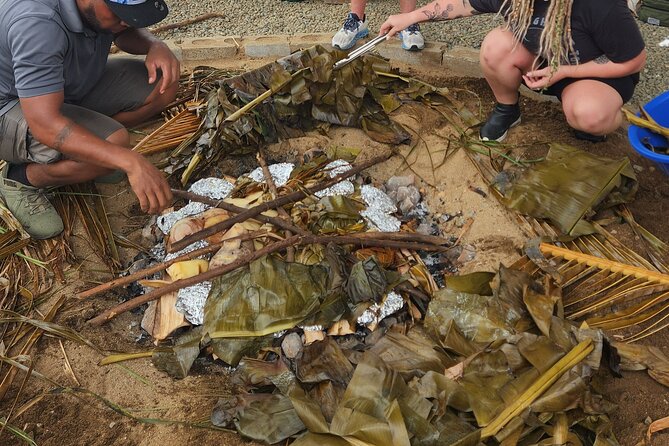
The most memorable part of this experience is the lovo, Fiji’s traditional earth oven. Rather than treating it as a display behind a rope, Vavavi has you watch the setup and prepare food for it. That gives the cooking a clear sense of purpose: the dishes you work on will become the meal you eat later.
A lovo also changes the pace of the day. Food cooked this way takes time, so the class can move naturally from preparation to conversation and cultural activities while the meal cooks. You will not simply finish a recipe and leave. The oven keeps the day connected.
The exact full menu can vary, but the experience includes preparation of at least four traditional Fijian foods. Palusami is one example. This dish is commonly associated with taro leaves and a rich coconut filling, although the precise preparation here is not specified. Eggplant tavu is another featured dish.
I like this approach because you get a sense of how Fijian meals are built around local produce, coconut, shared labor, and patience. It is less like a polished restaurant demonstration and more like being invited into a family kitchen for a special meal.
Other village visits and kava evenings in Viti Levu:
- Cruisin Fiji: Authentic Fijian Day Cruise – Best Day in Fiji
★ 5.0 · 2,409 reviews - Jewel Of Fiji incl Fijian Village, waterfall & Lunch(Nadi Hotels)
★ 5.0 · 570 reviews - Robinson Crusoe Sunset Cruise Including Dinner, Cultural Show & Transfers
★ 4.5 · 177 reviews
Starting at 9:00 a.m. in Nadi
The experience starts at 9:00 a.m. at Vavavi on Enamanu Road in Nadi, Fiji. Pickup is offered, but the included transfer area is limited to Nadi and Denarau. If you are staying elsewhere on Viti Levu, you will need to arrange your own way to the meeting point.
An air-conditioned vehicle is included where transport is provided. That is useful in Fiji’s warm climate, especially if you are combining this activity with a hotel stay in the Nadi or Denarau area. The experience ends back at the meeting point, so you do not need to work out a separate return plan.
Allow the full six hours. This is not a quick market stop followed by a short demonstration. The morning includes market time, food preparation, cultural activities, and the meal itself. Families with children should note that this length can be a plus if everyone enjoys doing things, but it may feel long for anyone who prefers a short sightseeing outing.
Seeing produce at a local market
The market visit gives the cooking context. You are not only told that Fijian food uses fresh local ingredients, you get to see where people buy produce for daily meals. That makes the later cooking more meaningful.
For me, this is one of the strongest parts of the day. A market can tell you plenty about a place without a formal lecture. The produce, shopping habits, and range of ingredients give you a practical look at everyday food in Fiji.
The market portion is also a good reason to bring questions. Ask about ingredients you do not recognize, how they are prepared, and which foods are used at home. Since the visit is part of a cooking experience, you can connect what you see at the stalls with what appears on your preparation table later.
Do not expect a long independent shopping period or a market-focused tour. The visit supports the food lesson rather than replacing it. You will return to the main experience to prepare the meal.
Preparing palusami and eggplant tavu
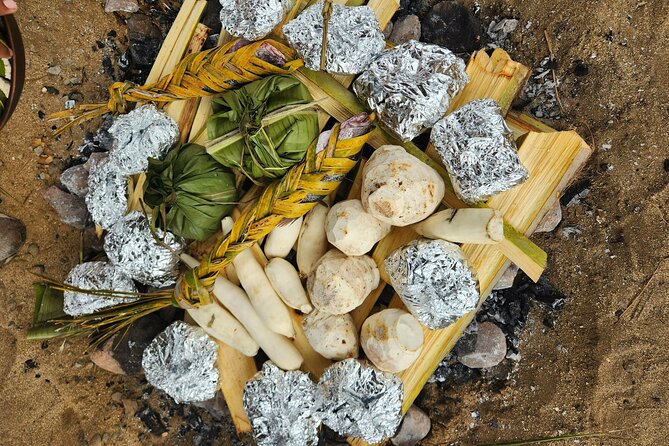
The cooking is hands-on. You help prepare at least four traditional Fijian dishes or foods, rather than sitting through a demonstration with no role. That makes this a good choice if you want to return home with techniques and ideas, not just photographs.
Palusami is prepared for the lovo, while dishes such as eggplant tavu use fresh local ingredients. The supplied details do not provide a complete recipe list, so you should not book expecting a fixed menu with every dish named in advance. The useful point is the range: you will work with several foods and see how they come together for one shared lunch.
The class suits mixed-age groups well. A family with three generations had a good time, and one family that arrived unsure about the activity warmed to it quickly. That suggests the cooking is approachable rather than aimed only at serious food enthusiasts.
Still, this is participation, not a professional chef course. If you want advanced culinary instruction, precise measurements, or restaurant-style plating, this may feel informal. If you prefer to work with your hands, ask questions, and eat a family meal afterward, the format is a better match.
Same island, a completely different day:
- Jet Boat Safari on the Sigatoka River
★ 5.0 · 1,135 reviews - River Tubing Fiji, Navua River
★ 5.0 · 815 reviews - Captain Cook Cruises Fiji – Island and Reef Day Cruise
★ 4.5 · 752 reviews - Malamala Beach Club – Full Day
★ 4.5 · 684 reviews
Coconut scraping, weaving, and kava
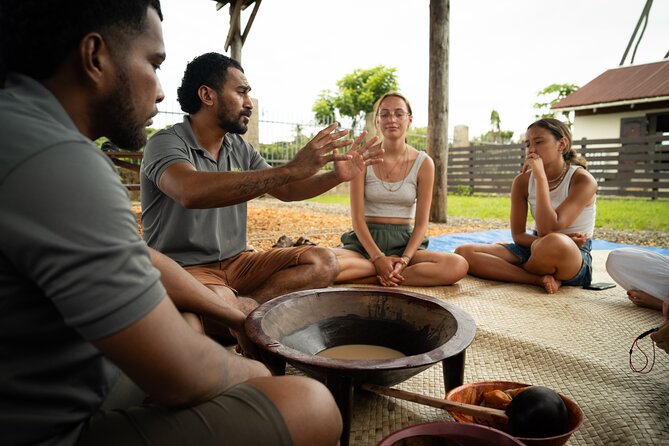
Food is only one part of the day. Traditional activities include coconut scraping, weaving, and a kava tasting. These details matter because they show how cooking connects with daily life and customary practices.
Coconut scraping is particularly useful in a food-focused experience. Coconut is central to many Pacific dishes, and handling it yourself gives you a clearer sense of the work behind familiar flavors. Weaving adds a craft element, so the day is not limited to recipes and eating.
Kava tasting gives you a brief introduction to one of Fiji’s best-known cultural traditions. The information provided does not promise a full kava ceremony, so think of this as a tasting and cultural explanation rather than a formal ceremonial program.
Some people may be more interested in cooking than craft activities, while others will appreciate the change of pace. I like that the schedule gives you different ways to take part. You can learn through food, touch, conversation, and tasting instead of spending six hours in one format.
Morning tea before the main meal
Morning tea is included, along with coffee and tea. It provides a natural break between the earlier activities and the main cooking and lunch period.
The details do not specify the exact morning tea menu, so do not count on a particular pastry or snack. What is clear is that refreshments are part of the experience, along with bottled water.
That may sound minor, but it is helpful on a six-hour outing. You are likely to be moving between activities and participating rather than simply sitting down. Having drinks and a planned break makes the day easier, especially for families.
Lunch is the payoff
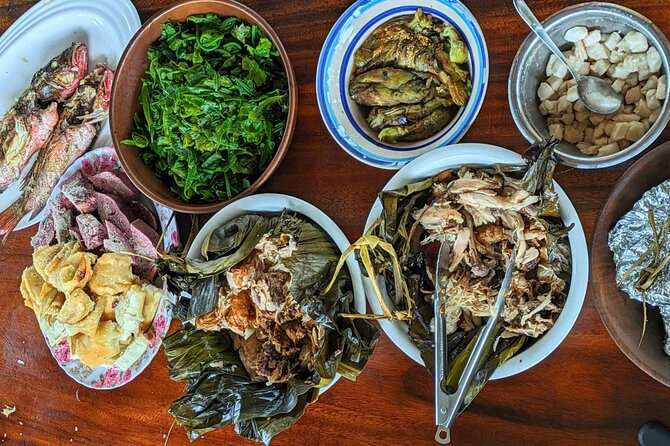
Lunch brings the separate pieces together. You eat the food prepared during the experience, with drinks included. The meal is not an extra charge at the end, and you do not need to leave the site to find food afterward.
This is where the lovo matters most. You have watched the oven being prepared, helped with the ingredients, and taken part in the cultural activities. Eating afterward gives the day a satisfying finish and lets you judge the dishes for yourself.
Dietary requirements can be accommodated, including vegetarian, vegan, halal, and gluten-free diets. You should provide those details when booking so the team can plan properly. Since the menu is based on traditional food and local ingredients, it is sensible to ask how your needs will affect the dishes before the day begins.
Drinks include coffee or tea, bottled water, and lunch drinks. The supplied information does not spell out every beverage option, so avoid assuming that alcoholic drinks are included.
A small family business with a personal feel
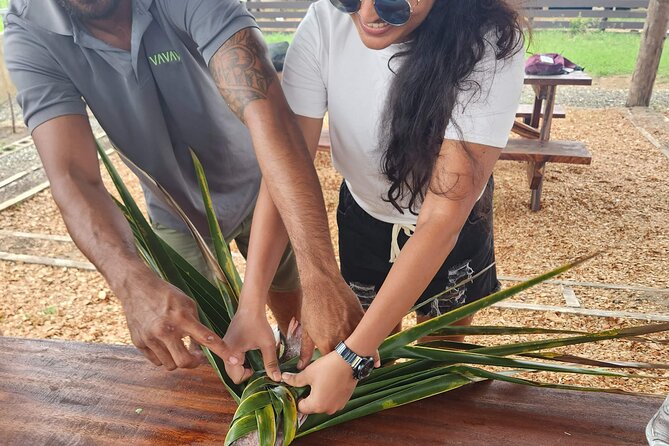
Vavavi is a locally owned family business. The hosts named in the experience include Sam, Rocky, Joy, and John, and the format is built around personal interaction rather than a large coach group.
The maximum group size is 12. That is small enough for a more relaxed class and makes it easier to take part in coconut scraping, weaving, and food preparation without waiting behind a crowd.
The personal tone is one of the most praised parts of the experience. Guests describe feeling welcomed, well looked after, and connected to the hosts. One family described the setting as clean, well kept, and safe. Another said the day felt like spending time with family.
That warm atmosphere is a real part of the value, but it also means the experience is informal. If you prefer a tightly scripted tour with exact times for every activity, you may find the family style less predictable. I would choose it for conversation and participation, not for a perfectly polished production.
Is the $117.12 price good value?
At $117.12 per person, this costs more than a basic cooking demonstration. The price makes more sense when you count what is included: about six hours, local transport in the stated pickup area, a market visit, at least four food preparations, cultural activities, kava tasting, morning refreshments, lunch, and drinks.
You are also paying for a small group experience. A large class could offer a lower price, but it would not necessarily give you the same chance to handle ingredients, ask questions, or join each activity.
The value is strongest if you want several experiences in one outing. You get food, shopping, crafts, cultural explanation, and a meal. If you only want lunch or a short market visit, there are cheaper ways to spend a morning. If you want a substantial cultural activity that includes a full meal, the price is reasonable.
This is also the sort of experience that people book well ahead, with an average booking lead time of about 74 days. That does not mean you cannot find a late opening, but it is a useful sign that you should reserve early if your Fiji dates are fixed.
Who should choose this experience?
I would recommend Vavavi to you if you:
- Want a local food experience rather than a standard restaurant meal
- Enjoy participating instead of only watching
- Are curious about the lovo and traditional Fijian cooking
- Are traveling with children or several generations
- Want a small group with a family-run atmosphere
- Need vegetarian, vegan, halal, or gluten-free arrangements
- Are staying in Nadi or Denarau and can use the offered pickup
It may be less suitable if you want a short activity, a luxury dining setting, or a tightly timed professional cooking course. The six-hour duration is a real commitment, and the family approach may feel relaxed rather than formal.
The 100 percent recommendation rate and five-star rating indicate very strong satisfaction, but I would still base your choice on your interests. The important question is not simply whether you like Fijian food. It is whether you want to help prepare it and spend much of a day learning how the meal comes together.
Practical details before you reserve
You receive confirmation at booking unless you book within one day of travel. For last-minute reservations, confirmation arrives as soon as possible and depends on availability.
Service animals are allowed. The activity has a maximum of 12 participants, which helps keep the cooking and cultural activities manageable.
Free cancellation is available up to 24 hours before the local start time for a full refund. Cancellations or changes made less than 24 hours before the start are not refunded or accepted. The experience also requires a minimum number of participants. If Vavavi cancels because that minimum is not met, you will be offered another date or experience, or a full refund.
Should you book Vavavi?
Book this if you want to understand Fiji through its food, not just eat it. The lovo preparation, local market visit, coconut work, weaving, kava tasting, and shared lunch create a full picture of Fijian hospitality in one day.
I especially like it for families and curious eaters who want a relaxed setting. The small group size, named local hosts, dietary flexibility, and included lunch make the $117.12 price easier to justify. Just plan for the full six hours and confirm that your accommodation falls within the pickup area.
FAQ
Where does the experience start?
It starts at Vavavi, on Enamanu Road in Nadi, Fiji.
What time does the activity begin?
The start time is 9:00 a.m.
How long does the experience last?
It lasts approximately six hours.
Is pickup available?
Pickup is offered from the Nadi and Denarau area. Transfers from outside that area are not included.
Where does the activity end?
The experience ends back at the meeting point.
What food activities are included?
You help prepare at least four traditional Fijian dishes or foods, including examples such as palusami and eggplant tavu. You also watch a lovo earth oven being set up.
Is lunch included?
Yes. Lunch is included, along with drinks, coffee or tea, and bottled water.
Can dietary requirements be accommodated?
Yes. Vegetarian, vegan, halal, and gluten-free requirements can be accommodated. Provide your requirements when booking.
How many people can join the experience?
The maximum group size is 12 travelers.
More village tours in Viti Levu
- Authentic Polynesian Experience
★ 5.0 · 491 reviews - Cultural Night Tour
★ 4.5 · 470 reviews - Full Day Combo ATV & Jet Ski with a Polynesian BBQ on a Motu
★ 5.0 · 373 reviews - Fiji: Authentic Fijian Day Cruise by Boat
★ 4.8 · 342 reviews
Just added around Viti Levu
- Skydive Fiji Legend 13000ft Tandem Jump (60 seconds free fall)★ 5.0 · 24 reviews
- CFC Approved Private Arrival Transfer – Nadi Airport to Hilton Resort, Denarau★ 5.0 · 15 reviews
- CFC Approved – Private Arrival Transfer Nadi Airport to Doubletree Resort★ 5.0 · 14 reviews
- Private Roundtrip Transfer – Nadi Airport to Fiji Marriott Momi Bay Resort★ 5.0 · 16 reviews
- CFC APPROVED Roundtrip Transfer -NadI Airport to Fiji Beach Resort By Hilton★ 5.0 · 17 reviews
- Walk Nadi with a Local: Culture, Stories & Everyday Fiji.★ 5.0 · 59 reviews
- Day and Night Combo Tour★ 4.5 · 49 reviews
- Private Breathtaking Koroyanitu Half Day Waterfall Hike★ 5.0 · 49 reviews
Village & Culture Tours, compared.
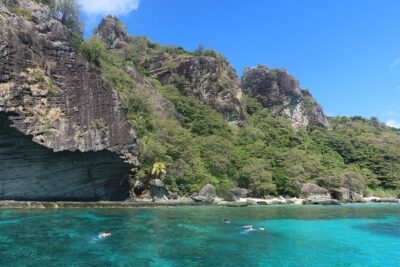
Cruisin Fiji: Authentic Fijian Day Cruise – Best Day in Fiji
Read our review →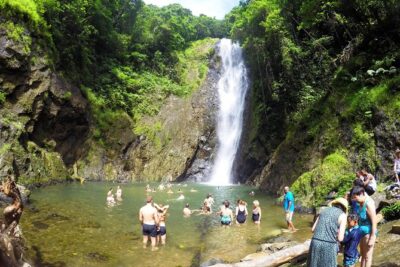
Jewel Of Fiji incl Fijian Village, waterfall & Lunch(Nadi Hotels)
Read our review →
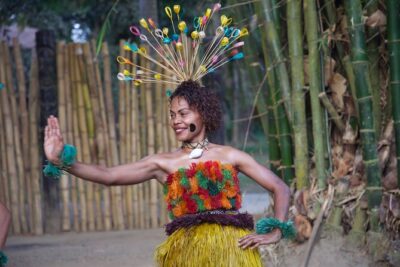
Garden Village Hot Spring & Temple Highlights Tour
Read our review →
CFC Hot Spring Mud Pool,Garden Of Sleeping Giant And Village Visit Half Day Tour
Read our review →
Browse the lists this tour appears in