
Reviewed · DENARAU ISLAND
Private Experience of the Authentic Lifestyle of People In Fiji
Fiji’s everyday life comes into focus on this half-day trip from Denarau. You’ll move from a fruit market and farming school to an Indian family home and the Fijian village of Yavuna, where a sevusevu welcome ceremony and village lunch bring the day together. I especially like the mix of Fijian and Indian culture and the chance to meet people in places where daily life is still the main attraction.
I also like that the tour includes the Rural Farming School, sugarcane fields, and a possible sighting of oxen ploughing as they have for generations. The main consideration is its pace: five hours covers a lot, so this is better for cultural variety than for spending a long, quiet morning at one site.
Key details at a glance
- Four different windows into Fiji: Visit a produce market, rural school, Indian family home, and Fijian village in one outing.
- Seasonal fruit at the market: Your guide can introduce local foods and let you taste fruit that is in season.
- Agriculture remains part of the story: Pass sugarcane and vegetable fields, with a chance to see oxen ploughing.
- Indian-Fijian culture has a personal setting: Food sampling takes place at an Indian friend’s home, alongside cultural explanation.
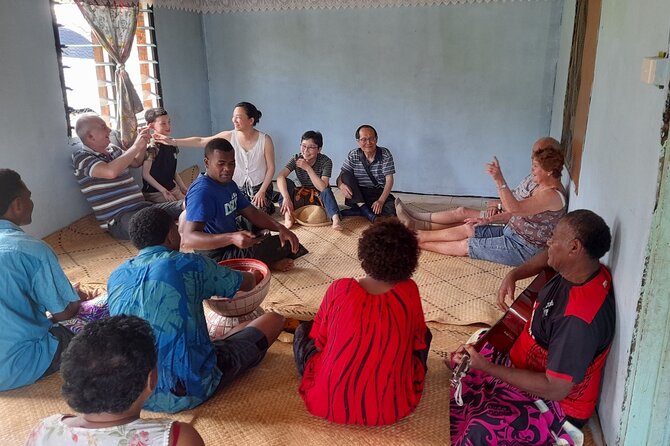
- Yavuna includes a sevusevu ceremony: Kava is used in this traditional welcome for visitors.
- A private, small-group format: Only your own party takes part, with hotel pickup offered from Denarau Island.
From Denarau to the local market
The tour begins at about 9 a.m. with pickup from your hotel in Denarau Island. Transport is provided in a 4WD or minibus, described as a luxury vehicle, which matters because the day is built around reaching places beyond the resort zone rather than staying on a fixed hotel circuit.
Your first stop is a fruits and vegetables market. This is not just a quick photo stop. The guide introduces foods used later in the day, including ingredients connected with the village lunch and the Indian cooking visit. You can also taste some local fruit that is in season.
I like this opening because it gives you a practical way to understand Fiji’s food culture. Instead of hearing a general explanation about local produce, you see the ingredients and learn how they fit into the day. The market also helps set up the contrast between Denarau’s resort restaurants and the food you will encounter in homes and villages.
The market may be less polished than a purpose-built sightseeing attraction. That is part of its value, but it also means you should come ready for a working food market rather than a staged cultural show. If you prefer scenery and beaches at every stop, this first visit may feel ordinary. If you want to understand what people buy and eat, it gives the tour a useful start.
Other private tours around Denarau Island:
- Fiji: Malamala Beach Club Private Island Day Pass & Transfer
★ 4.7 · 413 reviews - Private Departure Transfer From Your Hotel To Nadi Airport (cfc approved)
★ 5.0 · 77 reviews - Private Tour :Best of Nadi
★ 4.5 · 51 reviews
Meeting students at the Rural Farming School
The next stop is the Rural Farming School, where you’ll tour the school and meet students. The experience then continues through fields used for sugarcane and vegetable farming.
This section gives the tour a clear focus on rural life and education. You are not only looking at fields from a vehicle. You have the chance to see a school connected to farming and meet the young people who are part of that setting. For anyone interested in agriculture, education, or how communities support themselves, this may be one of the most meaningful parts of the morning.
You might also see a bowed oxen team ploughing the fields. The tour explains that this method has been used for more than 100 years. Since an oxen sighting is not guaranteed, treat it as a possibility rather than a scheduled performance. Even if you do not see the animals working, the fields give you a more grounded picture of Fiji than a short resort excursion can provide.
The school visit calls for courtesy. You are entering a place where classes and community life continue beyond tourism. Keep your attention on the guide and students, ask questions politely, and follow any directions about where to stand or what you may photograph. The information provided does not specify school access rules, so your guide will be the best source for those details on the day.
An Indian family home and a second side of Fiji
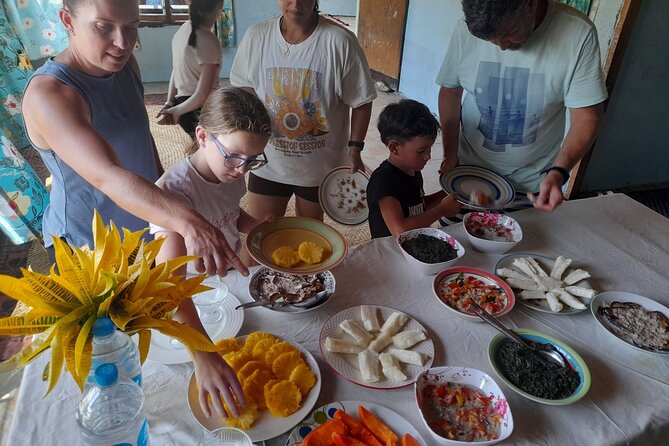
Fiji is home to both Indigenous Fijian and Indo-Fijian communities, and this tour makes that connection personal. At an Indian friend’s house, you’ll sample Indian food and hear about the family’s culture and history.
This stop is one of the tour’s strongest ideas. You are not simply told that Fiji has different cultural communities. You are welcomed into a private home and introduced to food prepared in a family setting. The meal sampling adds flavor, but the conversation is the real point. Ask about the dishes, family traditions, and the connection between Indian culture and life in Fiji.
Lina is identified as one of the guides, and her storytelling is a major part of the experience. Paulina is also named as a guide, described as personal and professional. Since the assigned guide can vary, you should not book on the assumption that one particular person will lead your group. Still, the guide’s role matters here: this stop works best when explanations connect the food to the people who prepared it.
A home visit is more intimate than a restaurant meal, so you should expect a personal cultural exchange rather than a large buffet. The exact dishes are not listed, and food choices may change. If you have allergies or dietary restrictions, raise them when booking or before the tour begins. The supplied details confirm food sampling, but they do not promise substitutions or a specific menu.
Entering Yavuna Village with a sevusevu welcome
The final major stop is Yavuna, a Fijian village where a village guide welcomes you. In keeping with Fijian custom, the visit begins with a sevusevu ceremony using kava.
The ceremony is an important part of the day because it gives the village visit a formal cultural setting. You are not simply walking in and looking around. The welcome recognizes your arrival and introduces the respectful relationship between visitors and the community. Kava is central to the ceremony, so your guide should explain what is happening and how you should take part.
If you have never attended a sevusevu, listen closely and follow the local instructions. Cultural ceremonies can have details that are not obvious to an outsider. The available information does not specify the exact order of the ceremony, the amount of kava, or any rules around participation. Your village guide will handle those points.
After the welcome, you’ll take a guided tour of the village. This gives you a chance to see the community through local eyes instead of wandering without context. The village guide is especially important because the meaning of homes, gathering places, customs, and daily routines may not be clear at first glance.
You should approach this section with respect and curiosity. A village is a lived-in community, not a museum. Ask before taking photographs, listen when someone is explaining a custom, and avoid treating ordinary family life as a backdrop. That simple attitude will make the visit better for you and for the people hosting you.
Same island, a completely different day:
- Cultural Night Tour
★ 4.5 · 470 reviews - Nadi: Garden Village Hot Spring & Temple Highlights Tour
★ 4.6 · 339 reviews - Discover Nadi Tour
★ 4.5 · 311 reviews - Fiji: South Sea Sailing Experience with Lunch & Drinks
★ 4.9 · 155 reviews
A village-prepared lunch

Before leaving Yavuna, you’re invited to eat an authentic lunch prepared by the village. This is the most satisfying close to the itinerary because food turns the visit from observation into shared time.
The menu is not specified, so you should expect local dishes rather than a fixed restaurant-style selection. The market stop helps introduce some of the food used during the day, but it does not provide a complete menu in advance. If you have dietary needs, ask ahead of time. The tour details do not confirm vegetarian, vegan, halal, or allergy-specific arrangements.
Lunch also gives you more time to ask questions and speak with the people you have met. The best moments may come between the formal stops, when the day’s subjects, including farming, food, family, and ceremony, begin to connect. I like that the meal is prepared by the village rather than added as an unrelated restaurant stop.
There is one practical point to keep in mind. This is a five-hour tour, so the village visit and lunch are part of a busy route that also includes the market, school, fields, and Indian home. You will get a broad introduction, but not the kind of unhurried village stay that fills an entire day.
Why the private format matters
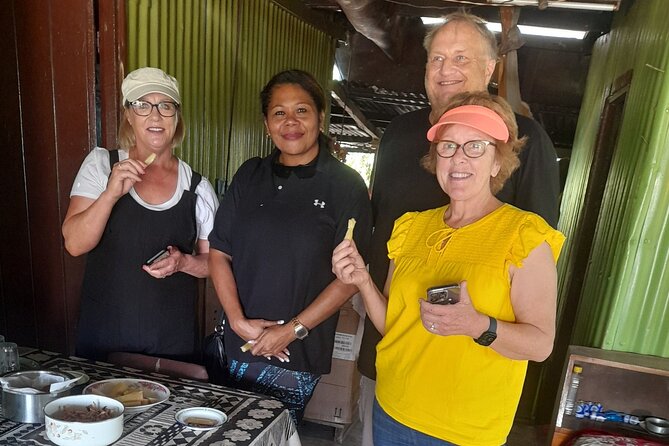
This is a private activity, so only your group takes part. That changes the feel of the day. You can ask more questions, spend more time on the subjects that interest you, and discuss your own background or interests with the guide.
The private format is particularly useful at the Indian home and Yavuna Village. These settings benefit from a respectful pace and personal conversation. A large group could make those visits feel crowded or formal, while a private group allows the guide to explain things in a way that fits your questions.
Pickup is offered, and the tour starts at about 9 a.m. The total duration is approximately five hours. That makes it easy to fit into a longer Denarau stay, though you should allow room around the scheduled start and finish because the experience includes several stops and road travel.
The description says most people can participate. It does not give detailed accessibility information, vehicle measurements, or walking distances. If you need specific assistance, contact the provider before booking rather than assuming that the 4WD or minibus will meet your needs.
Is the $97.84 price good value?
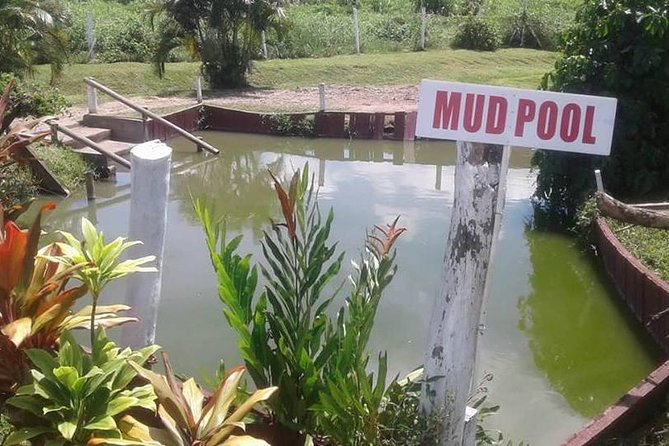
At $97.84 per person, the price needs to be judged against what is included in the five-hour program. You are paying for hotel pickup, private transport, a guide, several cultural stops, food sampling, a ceremony, a village tour, and lunch. That is a fuller package than a simple market visit or a short village photo stop.
I see the strongest value in the range of experiences. In one morning, you can learn about food at the market, see rural education and agriculture, share Indian food in a family home, take part in a Fijian welcome, and eat with a village community. Booking separate activities to cover those same themes could take more time and coordination.
The price may feel less attractive if your main goal is a long beach day, a scenic drive, or a formal performance. This tour is about people and daily life, not luxury sightseeing in the usual sense. The vehicle is described as luxury, but the real value lies in access and conversation rather than polished attractions.
Because it is private, the per-person cost may also make more sense for couples, families, or small groups that can share the experience. Solo visitors should compare the price with their own priorities, since the private format means you are not joining a larger group to spread the cost.
Who will enjoy this Fiji experience?
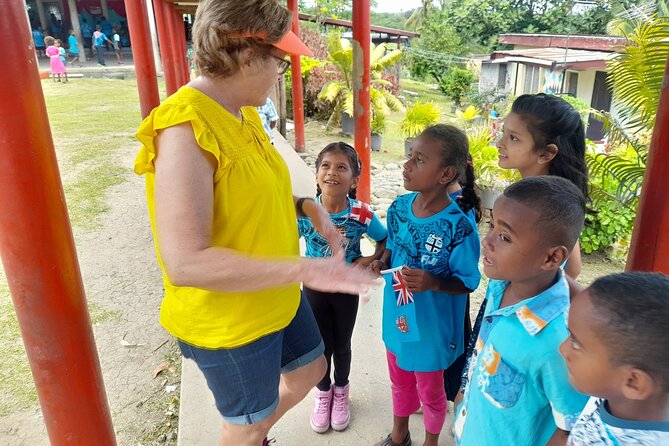
I would choose this tour if you want a cultural day with real variety and direct contact with local communities. It suits you especially well if you are interested in food, farming, schools, family life, or the relationship between Indigenous Fijian and Indo-Fijian culture.
Families may appreciate the school visit and the chance to meet students, though children should be prepared to behave respectfully in the school and village. The private format also helps if your group has different levels of interest, since you can ask the guide to explain more about the subjects that catch your attention.
Students and visitors with an interest in agriculture have extra reason to consider it. The Rural Farming School, sugarcane and vegetable fields, and possible oxen ploughing offer details that a standard resort tour is unlikely to include. One account of the experience involved a university student studying agricultural engineering, whose interests shaped the stories shared during the day.
You may want to choose another activity if you dislike visiting homes, eating unfamiliar food, participating in ceremonies, or spending part of the morning on rural roads. The tour asks you to be open-minded and respectful. It is not a passive ride where you simply look out the window.
Booking advice and cancellation
The experience offers free cancellation if you cancel at least 24 hours before the local start time. Cancellations made less than 24 hours before the start are not refunded, and changes within that period are not accepted.
Confirmation is received at booking, and a mobile ticket is available. Since pickup is offered from Denarau Island, check the pickup details when you reserve and make sure your hotel information is correct.
Should you book it?
Book this tour if you want to see Fiji through markets, farms, homes, schools, ceremony, and shared food rather than through resort facilities alone. Its best feature is the way it links two major cultural traditions with ordinary working life.
I would be especially happy to recommend it to a small private group that values conversation and can approach the school, Indian home, and village with respect. The main caution is the compact schedule and the lack of a fixed food menu. If those points work for you, $97.84 buys a useful and personal introduction to Fiji beyond Denarau.
FAQ
Where does the tour take place?
The tour begins in Denarau Island and continues to a local fruit and vegetable market, the Rural Farming School, rural farming areas, an Indian family home, and Yavuna Village.
What time does the tour start?
The listed start time is 9:00 a.m.
How long does the experience last?
The tour lasts approximately five hours.
Is hotel pickup available?
Yes. Pickup is offered from your hotel, with transport provided in a 4WD or minibus.
Is this a private tour?
Yes. Only your own group participates in the activity.
Will I taste local food?
Yes. You can taste seasonal local fruit at the market, sample Indian food at an Indian friend’s home, and eat an authentic lunch prepared by the village in Yavuna.
What happens during the sevusevu ceremony?
The sevusevu is a traditional Fijian welcome ceremony for visitors, and kava is used during the ceremony.
Can I cancel for a full refund?
Yes, if you cancel at least 24 hours before the experience start time. Cancellations made less than 24 hours before the start are not refunded, and changes within that period are not accepted.
Just added around Denarau Island
- Valley of a Thousand Hills★ 4.0 · 5 reviews
- Wonders of Nadi Tour – Hindu Temple, Sleeping Giant Gardens, Markets & Shopping★ 4.5 · 33 reviews
- Yasawa Hop-On Hop-Off Pass★ 3.5 · 12 reviews
- garden of the sleeping giant and mudpool tour combo★ 4.5 · 7 reviews
- CFC APPROVED Roundtrip Transfer – Nadi Airport to Radisson Blu Resort, Denarau★ 5.0 · 10 reviews
- Scenic Sigatoka Valley Drive, Fijian Pottery Village, Local School & Sand Dunes Ex Nadi Hotels★ 4.5 · 3 reviews
- Fiji Adventure: Biausevu Waterfall & Dunes hiking Combo Tour!★ 5.0 · 8 reviews
- CFC APPROVED Private Departure Transfer – Hilton Resort, Denarau to Nadi Airport★ 5.0 · 9 reviews
Tours in Denarau Island, compared.
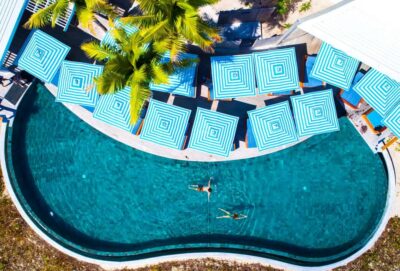
Malamala Beach Club Private Island Day Pass & Transfer
Read our review →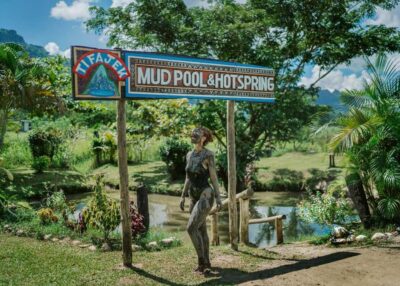
Garden Village Hot Spring & Temple Highlights Tour
Read our review →
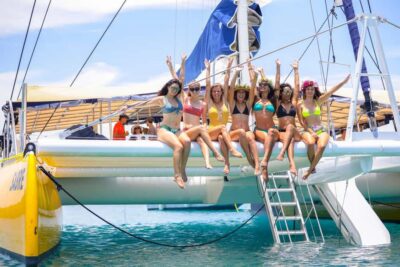
South Sea Sailing Experience with Lunch & Drinks
Read our review →
Ultimate Encounter Snorkel with Sharks in Fiji
Read our review →
Finding Nemo – Half Day Cruise to South Sea Island
Read our review →Browse the lists this tour appears in