

Reviewed · THE PACIFIC
Cultural and Local Village Experience in Papua New Guinea
Papua New Guinea makes more sense when you leave the cruise-port routine behind and see how a village works day to day. This Alotau outing combines town sights with hands-on village life, from coconut husking and basket weaving to traditional cooking and fire making. I like the chance to meet local families in their own community, and I like that the visit includes both cultural activities and a simple meal rather than only a drive-by photo stop.
The main drawback is comfort. Transport can be basic, and vehicle quality has not always been consistent. You should also expect rough roads, limited toilet facilities, heat, and a pace shaped by local conditions rather than polished resort standards.
Key points to know before booking

- Village activities are the heart of the day: See cooking, coconut husking, basket weaving, fire making, gardening, and traditional house building.
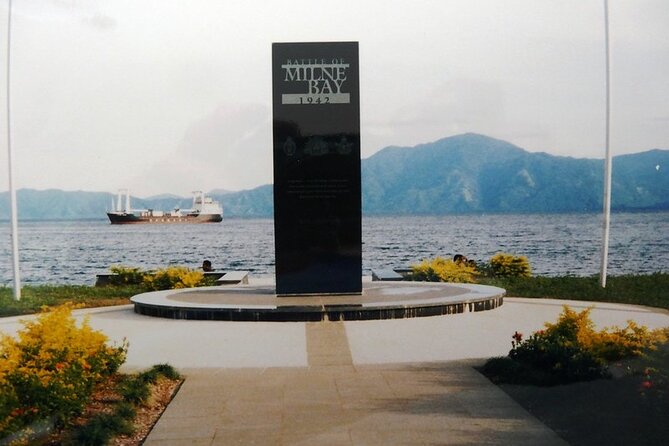
- Alotau’s town stops add useful context: Visit the local market, craft market, Massim Museum, war memorial, and town lookout.
- The drive can be rough: Some routes include potholes, causeways, and stretches described as similar to a riverbed.
- Expect simple transport: Air conditioning may be weak or unavailable, and past vehicle problems have included a broken windscreen.
- Fresh food is part of the visit: Coconut juice, fruit, and a traditional meal are provided in the village.
- The four-hour schedule may feel tight: The full outing includes several town stops, a village visit, and the return to port.
Seeing Alotau beyond the cruise terminal
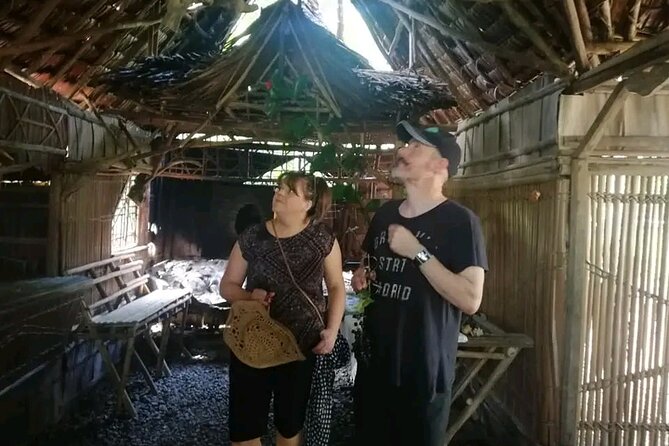
I like this excursion because it gives you two views of Alotau. First, you get a quick introduction to town life. Then you head out to a village where the focus shifts from sights to daily work.
That change matters. Markets and museums can explain a place, but village activities show how food is prepared, materials are used, and homes are made. You are not simply looking at Papua New Guinea from a vehicle window. You are given a chance to watch ordinary tasks and speak with people in a community setting.
The tour starts at 9:00 a.m. and lasts about four hours. Pickup is offered, which is useful if you are visiting Alotau from a ship and want a planned return rather than trying to arrange transport on your own. The maximum group size is listed as 90 people, so the actual feel may range from a small family-style outing to a fairly large group. If a full group is operating, expect the village activities to be shared rather than private.
The experience is offered by Aioni Tours, a local operator. A family-run feel has been one of its strengths, with guides described as caring and attentive. Guide names are not provided, so I would not book this expecting a named specialist guide. Instead, choose it for the local access and the chance to see parts of Alotau that are difficult to arrange independently.
Other village visits and kava evenings in the Pacific:
- Cruisin Fiji: Authentic Fijian Day Cruise – Best Day in Fiji
★ 5.0 · 2,409 reviews - Jewel Of Fiji incl Fijian Village, waterfall & Lunch(Nadi Hotels)
★ 5.0 · 570 reviews - Authentic Polynesian Experience
★ 5.0 · 491 reviews
Alotau market stops and everyday shopping
The local market is an early window into the town’s daily rhythm. Markets are useful because they show what people buy, sell, grow, and prepare for themselves. This is not a staged cultural display. It is a working part of town life.
You will also visit a craft market. This gives you a chance to see locally made items and possibly shop for a small souvenir. The information provided does not specify exactly which crafts are sold or how much time is spent there, so keep your expectations flexible. The craft stop is best treated as a short introduction, not a dedicated shopping session.
I would carry small amounts of local currency if you plan to buy something, though payment details are not specified. Ask before taking close photographs of people or their goods. A friendly greeting and a little patience go a long way, especially in a place where the visit is meant to be personal rather than purely commercial.
Massim Museum and the story of the region
The Massim Museum adds cultural background before the village visit. A museum stop can help you recognize that local traditions are not isolated performances. They belong to a wider regional culture with its own artistic practices and community ties.
The visit is described only as a stop at the museum, so the exact displays and guided commentary are not guaranteed. You might find that the stop is brief, especially since the tour also includes a market, war memorial, lookout, and village drive. Still, it is worthwhile for anyone who wants more context than a scenic tour provides.
The museum also creates a useful contrast with the village. Inside, you see objects and information presented for visitors. Outside, you see skills such as cooking, weaving, and fire making used as living practices. That combination is one of the better features of the morning.
Alotau’s war memorial and town lookout

A short war history tour takes you to the war memorial. This gives the town visit a serious historical note. Alotau and the wider Milne Bay area are connected to the Pacific campaigns of the Second World War, and the memorial provides a place to acknowledge that past.
The supplied details do not promise a long military lecture or a museum-style presentation. Think of it as a brief stop with explanation from your guide. If you have a strong interest in war history, you may want to ask how much time will be available at the memorial before booking.
The town lookout then shifts the mood. It gives you a broader view of Alotau and its surroundings, and it is a simple way to get your bearings. The lookout is likely to be one of the easier photo stops, but remember that the full schedule is compact. You may not have unlimited time to linger.
Same island, a completely different day:
- Moorea 6-Hour Snorkeling and Lunch Shared Tour
★ 5.0 · 1,758 reviews - Half-Day Muri Lagoon BBQ Lunch Cruise including Snorkeling
★ 5.0 · 1,518 reviews - Full Day Lagoon Group Tour in Bora Bora with Lunch
★ 5.0 · 1,423 reviews - Jet Boat Safari on the Sigatoka River
★ 5.0 · 1,135 reviews
The drive to the village
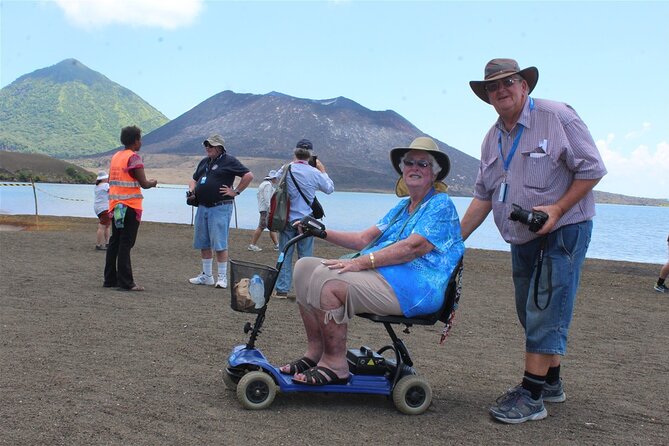
The village is reached by road outside Alotau. This is where you should set realistic expectations. Roads can be rough, and past outings have involved potholes, causeways, and a long drive of roughly 40 minutes to a remote village. One account described part of the route as similar to a riverbed.
The drive is not just an inconvenience. It is part of what separates this outing from a town-only tour. You see more of the area and reach a community away from the main port. At the same time, rough roads can make the ride tiring, especially in hot weather.
Vehicle comfort is the weakest point. Some vehicles have had poor air conditioning, while one reported replacement vehicle had a broken windscreen, missing windows, and holes in the floor. The operator apologized for one mechanical problem and said a substitute bus had been needed. That response is encouraging, but it does not remove the practical concern.
I would bring water, sun protection, and a light layer for dust or heat. Wear shoes that can handle uneven ground. If you need dependable air conditioning or have difficulty sitting through a rough drive, ask Aioni Tours about the vehicle on your date before paying.
Meeting village families and seeing daily work
The village visit is the main reason to choose this outing. You are introduced to local residents and shown everyday activities that are rarely part of a standard sightseeing route.
The program includes traditional cooking, coconut husking, coconut climbing, basket weaving, fire making, traditional house building, and gardening. Not every activity will necessarily be a long demonstration. With several items packed into one visit, some may be short or dependent on what can be arranged that day.
Coconut work is especially useful for understanding how much skill can sit inside an ordinary household task. Husking and climbing are physical jobs, and they show a side of village life that a formal performance cannot easily convey. You may also be offered a fresh coconut to drink, which is a welcome break in the heat.
Basket weaving and house building show how local materials can be turned into useful objects and shelter. Traditional fire making gives the visit another practical angle. These activities are valuable because they explain how people use what is available around them, not because they are presented as grand spectacles.
The gardening stop links the other demonstrations to food. It shows the work behind the meal you later receive. I appreciate that the village visit includes this chain of activities: growing, preparing, cooking, and eating.
Food, conversation, and the tone of the visit
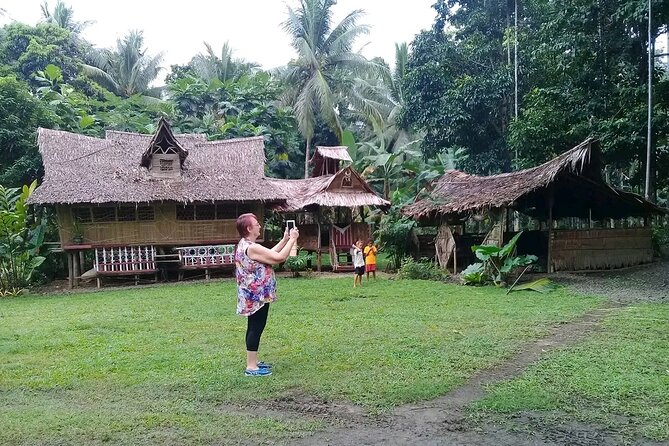
Fresh coconut juice, fruit, and a traditional meal are included. The food is not an optional add-on, so the price covers more than transport and sightseeing. It also gives you a natural reason to sit with the community rather than rushing from one demonstration to the next.
The exact menu is not specified, and you should not assume that dietary requests can be accommodated. If you have allergies or strict food needs, contact the operator before the tour. Bring any necessary medication and do not rely on the included meal to meet a special diet.
The social side can be one of the strongest parts. Children may be interested in practicing English, and the village welcome has been described as warm. That does not mean the visit is a private conversation with every family. It is a group activity, and your guide will help shape how you meet people.
Good manners matter here. Ask permission before photographing people, homes, or children. Listen when a demonstration is explained, and avoid treating the community as a backdrop. The best approach is curious, polite, and ready to accept that the visit may unfold at a slower or less predictable pace than a city tour.
Is $80 a fair price?

At $80 per person, this is not the cheapest way to spend four hours in Alotau. The value depends on what you want. You are paying for pickup, a guide, several town stops, the village visit, demonstrations, drinks, fruit, and a traditional meal.
The price looks more reasonable if you would otherwise need to arrange separate transport and local introductions. Reaching a village, finding a host community, and organizing demonstrations on your own would be difficult for many short-stay visitors. The cultural access is the central value.
The calculation is less attractive if you mainly want a comfortable ride or a quick market visit. With rough roads, basic vehicles, and a possible maximum group of 90 people, the experience may not feel polished. One past outing was criticized for lasting only about two hours despite the advertised four-hour duration. That appears to be a warning to confirm the planned schedule and return timing.
A current rating of 4.1 from 24 ratings suggests a generally positive but mixed experience. The strongest praise focuses on the family-operated service, caring staff, good communication, welcoming villagers, and memorable cultural contact. The repeated concerns focus on vehicle condition, heat, roads, and the gap between the planned duration and the time actually spent touring.
Who will enjoy this Alotau outing?
I would recommend this tour to you if you want to see how people live beyond the main town and are comfortable with a rustic setting. It suits curious visitors who value local contact more than air-conditioned transport, perfect timing, or a polished attraction.
It is also a good choice if you have only a few hours in Alotau. The tour gathers several stops into one morning and gives you a structured way to see the town, the memorial, the museum, and a village.
You may want to skip it if comfort is your priority. The roads can be rough, toilet facilities may be nonexistent, and air conditioning cannot be assumed. It may also be a poor fit if you need a guaranteed private group, a detailed museum tour, or a carefully controlled meal plan.
For families, the village activities can be engaging, but the operator states that most people can participate rather than promising a specific child-friendly program. Consider the heat, road conditions, and walking surfaces before booking for young children or anyone with mobility concerns.
Practical details that affect your decision
The start time is 9:00 a.m., and the expected duration is about four hours. Pickup is offered, and a mobile ticket is available. Confirmation is received at booking, which is useful when you are arranging a tight port-day schedule.
The tour requires good weather. If poor weather causes cancellation, you are offered another date or a full refund. You can cancel for a full refund up to 24 hours before the start time. Cancellations or changes made inside that 24-hour window are not accepted for a refund.
Because the return to the ship matters, confirm the pickup point, vehicle condition, and expected return time before the morning begins. This is especially important if the road is wet or the group is large. A little checking can prevent a stressful finish to an otherwise worthwhile day.
Should you book Aioni Tours?
Book this experience if you want real contact with Alotau communities and can accept rough edges. The village cooking, coconut work, weaving, fire making, gardening, and shared meal offer more substance than a quick photo stop. The market, museum, memorial, and lookout make the town portion useful too.
I would not book it expecting a luxury vehicle, spotless facilities, or a tightly timed professional production. Ask about the vehicle and confirm the four-hour schedule before departure. If Aioni Tours can provide dependable transport on your date, this is a worthwhile choice for a port visit centered on people and daily life rather than comfort.
FAQ
How much does the Alotau village experience cost?
The tour costs $80 per person.
How long does the tour last?
The expected duration is approximately four hours.
What time does the tour start?
The stated start time is 9:00 a.m.
Is pickup available?
Yes, pickup is offered.
What activities take place in the village?
The visit includes traditional cooking, coconut husking, coconut climbing, basket weaving, traditional fire making, traditional house building, gardening, fresh coconut juice, fruit, and a traditional meal.
How large can the group be?
The activity has a maximum capacity of 90 travelers.
What happens if bad weather cancels the tour?
If poor weather causes cancellation, you will be offered a different date or a full refund. You can also cancel up to 24 hours before the start time for a full refund.
Just added around the Pacific
- Upolu Samoa Full Day Private Tour★ 5.0 · 4 reviews
- iconic waterfall tour★ 4.5 · 12 reviews
- Discover Fiji Best Sights Tour from Lautoka wharf Cruise Ships★ 4.0 · 5 reviews
- Round The Island Day Trip Fiji- Viti Levu★ 5.0 · 17 reviews
- Ultimate Shark Encounter Two Tank Dive at The World Famous Beqa Lagoon★ 5.0 · 18 reviews
- Waterfalls and Nature Tour★ 4.5 · 9 reviews
- Yasawa Islands Explorer Cruise with Lunch★ 3.5 · 26 reviews
- Discover Coral Coast Combo Tour★ 3.5 · 3 reviews
Village & Culture Tours, compared.

Cruisin Fiji: Authentic Fijian Day Cruise – Best Day in Fiji
Read our review →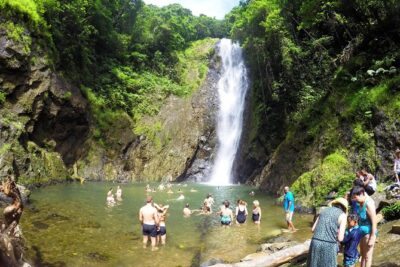
Jewel Of Fiji incl Fijian Village, waterfall & Lunch(Nadi Hotels)
Read our review →



Garden Village Hot Spring & Temple Highlights Tour
Read our review →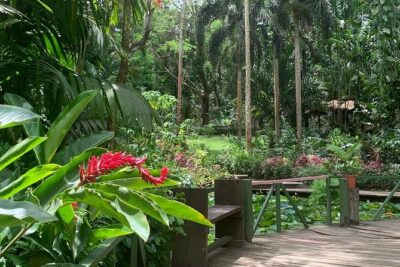
CFC Hot Spring Mud Pool,Garden Of Sleeping Giant And Village Visit Half Day Tour
Read our review →
Browse the lists this tour appears in